
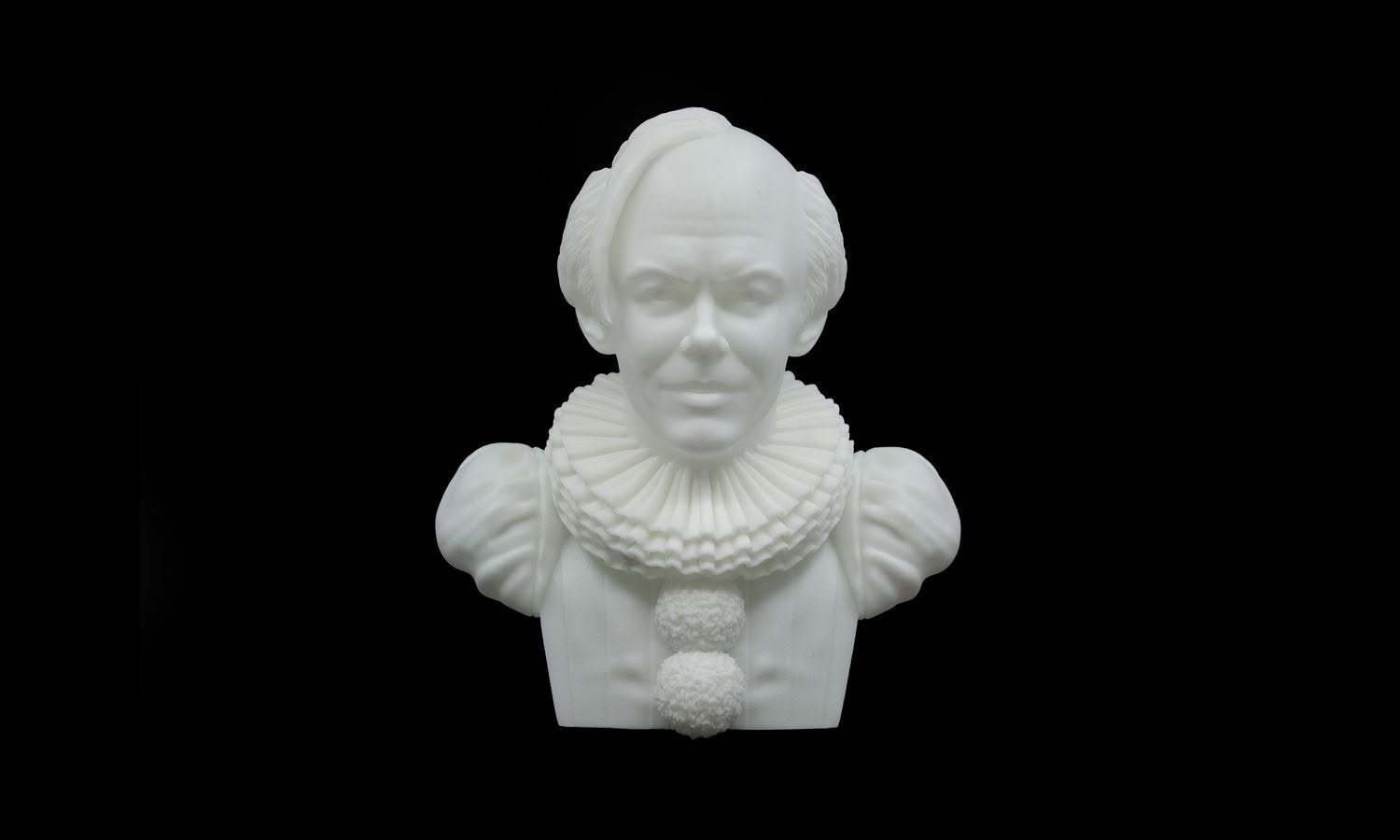
How Fast Can Professional 3D Printing Service Deliver?
Businesses today need rapid production solutions to stay competitive, and yes, that can matter even more when schedules get tight. Whether you need prototypes, replacement parts, or low-volume production runs, a professional 3D printing service can really shorten manufacturing timelines in a way that is noticeable. Compared with traditional manufacturing methods, modern additive manufacturing technologies often deliver faster turnaround times while still keeping high precision and consistent quality.
The speed of a 3d printing service does not come from one thing only. It depends on a mix of items like how complex the design is, which material you choose, what printing technology is used, and how much post-processing is required. When you understand these factors, planning becomes smoother and you are more likely to receive your parts within the expected time window.
What Determines 3D Printing Delivery Speed?
Several factors affect how fast 3D printing can go from a digital file, to a finished piece. You know, time is not only about the machine running, there’s also the whole handoff and prep part
Design complexity and file preparation
Before any manufacturing starts, the 3D model needs to be examined, cleaned up, and prepped for printing. If it is a simpler geometry with few nuances, it often moves quickly. If the shape is more intricate, you may see extra steps for optimization, and those steps can slow things down
Key points usually include
- File quality and file format
- Wall thickness requirements
- Support structure needs
- Design changes or repairs
When the design is ready ahead of time, with the correct settings and fewer corrections, production delays can be reduced and delivery speed may improve
Printing technology used
The printing technology matters a lot. Different approaches have different throughput levels. Some are tuned for rapid prototyping and quick iterations, while others aim for fine detail or industrial grade output, which can take more time
Common methods include
- FDM (Fused Deposition Modeling)
- SLA (Stereolithography)
- SLS (Selective Laser Sintering)
- DMLS (Direct Metal Laser Sintering)
The chosen technology affects print time and also posts processing needs. In practice it changes what comes next, like how much cleanup is needed, or how long you wait before you can handle the part.
Typical Turnaround Times for Professional Printing Services
Most Manufacturers Use 3D Printing Services, and most providers give delivery timelines depending on the project scale and its complexity.
Rapid Prototyping Projects
For small prototype orders, production can often begin within hours after design approval. Many providers complete and ship parts in about 24 to 72 hours. There can be a little variation depending on finishing, but the general window stays closed.
Benefits include:
- Faster product development
- Quick design validation
- Reduced engineering delays.
- Accelerated time-to-market
These advantages make rapid prototyping one of the most popular uses for a custom 3d printing service.
Production and Large-Batch Orders
Bigger production runs tend to require more time, naturally. Providers may use multiple printers at the same time, to raise output and reduce lead times, and still keep schedules tighter.
Factors affecting production schedules include:
- Quantity of parts required
- Material availability
- Printer capacity levels
- Quality inspection process
Even for larger orders, additive manufacturing often delivers components quicker than traditional tooling, and machining methods.
How to Get Faster Delivery from a Printing Provider
Businesses can take a few steps to push the timeline forward, a little.
Submit Print-Ready Files
Providing optimized CAD files helps remove unnecessary back and forth. Accurate dimensions and manufacturing requirements let the production team start immediately, with less delay.
Choose Available Materials
Picking commonly stocked materials can reduce waiting periods. Specialty materials may need extra sourcing time, so it may stretch the schedule.
Communicate Project Deadlines Early
Sharing delivery expectations upfront helps the service provider suggest the best production strategy and shipping options.
Why Businesses Depend on Fast 3D Printing Solutions
The need for quicker product development keeps rising across many industries. Manufacturers use 3d printing services, because they can cut down on production lead times, lower tooling costs and quickly adapt to evolving customer requirements. In areas like aerospace and automotive, or healthcare and consumer products, additive manufacturing backs innovation while letting companies respond fast to what the market is asking for.
Conclusion
Professional 3D printing service providers can often deliver parts within days, rather than weeks, which makes them an excellent option for rapid prototype work and short run manufacturing. Delivery speed depends on things like design complexity, the printing technology used, material selection, and then the post processing tasks required after printing. If you submit optimized files, pick materials that are readily available, and keep the project timeline clear in your communication, businesses can push production forward even faster. So, if you need fast, reliable, and high-quality additive manufacturing solutions, contact a trusted custom 3d printing service provider today and bring your ideas to life faster than ever before.







0 Comments